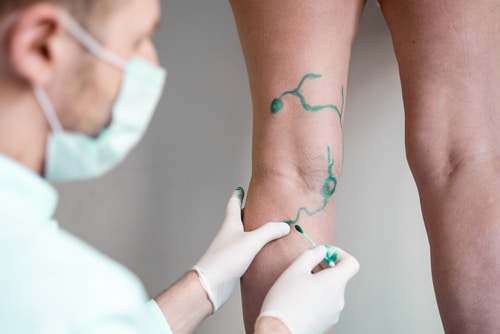
Chronic Venous Insufficiency (CVI) is a common vein condition that can cause swelling, aching, heaviness, skin changes, and visible varicose veins in the legs. Symptoms often become more noticeable after prolonged standing or sitting and may gradually worsen without treatment. At Espinoza Vein Institute, patients receive physician-led care from Dr. Paul M. Espinoza and Dr. Jeffrey Mollé, experienced vein specialists dedicated exclusively to the diagnosis and treatment of venous disease.
Using advanced ultrasound technology and minimally invasive treatment techniques, the team at Espinoza Vein Institute works to identify the source of vein problems and create personalized treatment plans to improve circulation, relieve discomfort, and protect long-term vein health.
What Is Chronic Venous Insufficiency?
Chronic Venous Insufficiency occurs when the valves in your leg veins stop working properly. These valves are responsible for helping blood flow back to your heart. When they weaken or fail, blood can pool in the lower legs.
Over time, this increased pressure can lead to:
- Leg swelling
- Aching or throbbing
- Heaviness or fatigue
- Varicose veins
- Skin discoloration
- Thickened or hardened skin
- Slow-healing sores near the ankles
CVI is not just a cosmetic issue. It is a medical condition that requires proper evaluation and treatment.
What Causes CVI?
Several factors can increase your risk of developing Chronic Venous Insufficiency, including:
- Family history of vein disease
- Pregnancy
- Prolonged standing or sitting
- Obesity
- Aging
- Previous blood clots
Because CVI is progressive, early diagnosis can help prevent more serious complications.
How Is Chronic Venous Insufficiency Diagnosed?
At Espinoza Vein Institute, diagnosis begins with a detailed medical history and physical exam. A physician performs a specialized ultrasound to evaluate how well your veins are functioning.
Dr. Espinoza is a Registered Vascular Technologist (RVT), and both Dr. Espinoza and Dr. Mollé are Registered Phlebology Sonographers (RPhS), giving them advanced expertise in ultrasound imaging. This allows for accurate identification of venous reflux and other underlying problems.
Treatment Options for CVI
Treatment depends on the severity of your condition. In many cases, minimally invasive procedures can effectively close diseased veins and improve circulation.
Options may include:
- Endovenous ablation
- VenaSeal
- ClariVein
- Varithena
- Sclerotherapy
- Microsurgery (microphlebectomy)
These in-office treatments are designed to target the source of the problem rather than just the visible symptoms. Most require little downtime and allow you to return to normal activities quickly.
What Happens If CVI Is Left Untreated?
Without treatment, Chronic Venous Insufficiency can worsen over time. Persistent swelling and pressure may lead to:
- Skin thickening or darkening
- Chronic inflammation
- Venous ulcers
- Increased discomfort
Early intervention can help protect your skin, improve circulation, and prevent complications.
Frequently Asked Questions
Chronic Venous Insufficiency is a progressive condition that can worsen over time if left untreated. In more advanced cases, it may lead to skin changes, ongoing swelling, discomfort, or slow-healing sores near the ankles.
CVI does not typically go away without treatment. While lifestyle changes and compression stockings may help manage symptoms, underlying vein problems usually continue to progress over time.
Many patients with CVI experience aching, heaviness, swelling, throbbing, or tired legs. Symptoms are often more noticeable later in the day or after prolonged standing.
Varicose veins are often a symptom of Chronic Venous Insufficiency, but the two are not exactly the same. CVI refers to poor blood flow in the leg veins, while varicose veins are enlarged veins that may develop as a result of that circulation problem.
Most minimally invasive CVI treatments involve little downtime, and many patients return to normal activities within a day. Recovery time can vary depending on the treatment performed and the severity of the vein condition.
Why Choose Espinoza Vein Institute for CVI Treatment?
When managing a progressive condition like chronic venous insufficiency (CVI), experience and precision make a difference.
At Espinoza Vein Institute, you benefit from:
- Over two decades of dedicated experience in venous disease
- Physicians with 25–30+ years of medical and surgical experience
- Physician-only care – all evaluations and procedures performed by medical doctors
- Advanced ultrasound-guided diagnosis for accuracy and targeted treatment
- A wait policy that respects your time
- Transparent, ethical billing practices
- Relationship-based care focused on trust and long-term outcomes
All physicians at Espinoza Vein Institute are trained in a consistent, physician-led model of care, ensuring that every patient receives the same standard of diagnostic accuracy, treatment precision, and clinical oversight.
Improve Circulation and Protect Your Leg Health with CVI Care in Lexington, SC
Chronic Venous Insufficiency is treatable, and early care can make a significant difference in your comfort and long-term health. You don’t have to live with constant swelling, aching, or skin changes.
At Espinoza Vein Institute in Lexington, SC, we take time to understand your symptoms and create a personalized treatment plan focused on lasting relief. Contact us at (803) 626-9075 to take the next step toward healthier, more comfortable legs near Columbia, SC.