
Leg swelling, aching, and visible veins are common concerns that may point to an underlying vein disease called chronic venous insufficiency. This condition develops when the veins in the legs struggle to return blood efficiently to the heart, leading to increased pressure and circulation problems over time.
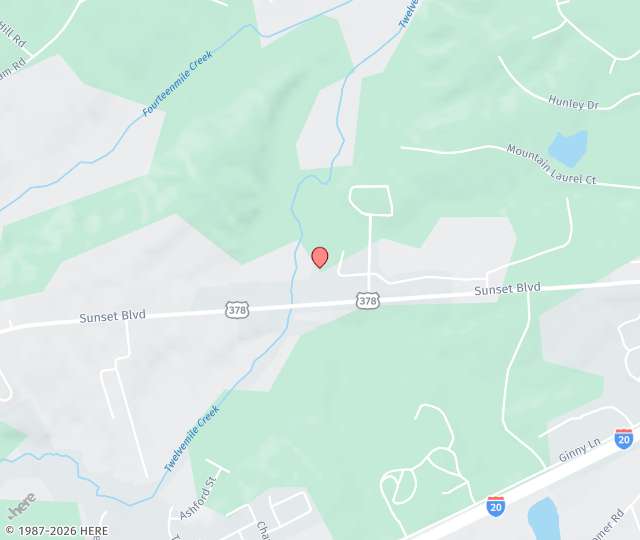
At Espinoza Vein Institute in Lexington, SC, Dr. Paul M. Espinoza, a board-certified physician with more than 20 years of dedicated experience in venous disease, provides advanced diagnosis and treatment for patients experiencing symptoms of chronic venous insufficiency.
Early evaluation can help identify vein disease before symptoms continue to progress and interfere with daily comfort and mobility.
Common Symptoms of Chronic Venous Insufficiency
Chronic venous insufficiency can affect the legs in several ways, and symptoms often become more noticeable after prolonged standing or sitting. Some patients experience mild discomfort initially, while others develop more advanced circulatory problems over time.
Common symptoms may include:
- Leg swelling
- Aching or throbbing
- Heaviness or fatigue in the legs
- Varicose veins
- Skin discoloration near the ankles
- Cramping or burning sensations
These symptoms may gradually worsen if the underlying vein disease is not treated.
How Vein Disease Progresses
Healthy leg veins use small valves to help blood flow upward toward the heart. When these valves weaken or become damaged, blood can pool in the lower legs instead of circulating properly. This increased pressure can lead to chronic venous insufficiency and ongoing vein inflammation.
Without treatment, vein disease may continue to progress, increasing the risk of skin thickening, discomfort, and slow-healing sores near the ankles. Identifying the source of vein problems using ultrasound imaging enables more accurate treatment recommendations.
Treatment Options for Healthier Legs
Treatment for chronic venous insufficiency depends on the severity of the condition and the patient’s symptoms. Many patients benefit from minimally invasive procedures designed to improve circulation and close diseased veins. Advanced ultrasound imaging helps determine which treatment option is most effective for each patient’s specific vein condition.
Treatment options may include:
- Endovenous ablation
- VenaSeal
- ClariVein
- Sclerotherapy
- Compression therapy
Most treatments are performed in an outpatient setting with little downtime.
When To Seek Treatment for Vein Disease
Leg swelling, aching, heaviness, or visible vein changes that continue to worsen should not be ignored. Seeking evaluation early may help prevent chronic venous insufficiency from progressing and allow for more conservative treatment options before complications develop.
Vein Disease Care in Lexington, SC
Chronic venous insufficiency can affect both comfort and long-term vein health when left untreated. At Espinoza Vein Institute in Lexington, SC, personalized treatment plans are designed to improve circulation, relieve symptoms, and support healthier legs.
To schedule a consultation, call 803-626-9075 today.