
What Is Deep Vein Thrombosis?
Deep Vein Thrombosis occurs when a blood clot forms in a deep vein, most often in the leg. Unlike spider veins or varicose veins, DVT affects deeper veins that are critical for returning blood to the heart.
If a clot breaks loose, it can travel to the lungs and cause a pulmonary embolism, which is a life-threatening emergency. That’s why early recognition and treatment are so important.
Common Signs and Symptoms of DVT
Symptoms can vary, but may include:
- Swelling in one leg
- Leg pain or tenderness
- Warmth in the affected area
- Red or discolored skin
- A feeling of tightness or cramping in the affected leg
Some people may have DVT with few or no obvious symptoms. If you suspect a blood clot, seek immediate medical care.
What Causes Deep Vein Thrombosis?
Several factors increase the risk of DVT, including:
- Prolonged sitting or immobility
- Recent surgery or hospitalization
- Pregnancy
- Certain medications
- Smoking
- Obesity
- A personal or family history of blood clots
After the initial emergency treatment for DVT, many patients develop ongoing vein issues that require specialized care.
Post-DVT Complications and Vein Health
Even after a clot is treated, damage to the vein valves can occur. This may lead to Chronic Venous Insufficiency or a condition known as post-thrombotic syndrome.
You may experience:
- Persistent leg swelling
- Aching or heaviness
- Skin discoloration
- Varicose veins
- Slow-healing wounds
Ongoing vein evaluation helps reduce long-term complications and improve circulation.
How Is DVT Evaluated?
If DVT is suspected, emergency medical evaluation is critical. Diagnosis typically involves a vascular ultrasound to identify clots in deep veins.
Dr. Paul Espinoza has dedicated 21 years exclusively to treating vein disease and brings 28 years of experience as a physician. He is board-certified in Venous & Lymphatic Medicine and Family Medicine. As a Registered Vascular Technologist (RVT) and Registered Phlebology Sonographer (RPhS), he has advanced expertise in ultrasound-guided diagnostics—allowing him to identify the true source of your symptoms. He leads the practice with this same commitment to accuracy and individualized care, ensuring every provider delivers the high standard patients deserve.
When To Seek Emergency Care for DVT Symptoms
Deep Vein Thrombosis can become life-threatening if part of a clot travels to the lungs, causing a pulmonary embolism. Anyone with symptoms of a possible blood clot should seek prompt medical evaluation, especially when swelling, pain, warmth, or discoloration develops suddenly in one leg.
Call 911 or go to the nearest emergency room if leg symptoms are accompanied by:
- Chest pain
- Shortness of breath
- Coughing up blood
- Rapid heartbeat
- Dizziness or fainting
- Sudden difficulty breathing
Espinoza Vein Institute provides specialized follow-up care for vein health after the immediate emergency has been addressed. Emergency care is the first step when an active clot or pulmonary embolism is suspected.
Why Choose Espinoza Vein Institute for DVT-Related Vein Care
When managing a progressive condition like deep vein thrombosis , experience and precision make a difference.
At Espinoza Vein Institute, you benefit from:
- Over two decades of dedicated experience in venous disease
- Physicians with 25–30+ years of medical and surgical experience
- Physician-only care – all evaluations and procedures performed by medical doctors
- Advanced ultrasound-guided diagnosis for accuracy and targeted treatment
- A wait policy that respects your time
- Transparent, ethical billing practices
- Relationship-based care focused on trust and long-term outcomes
At Espinoza Vein Institute, every patient benefits from the standard of medical excellence defined by Dr. Paul M. Espinoza—built on over 28 years of physician experience, including 21 years dedicated exclusively to vein disease.
Every physician on our team is personally trained and held to this same standard, ensuring expert, consistent, and evidence-based care—every time.
Frequently Asked Questions
Deep Vein Thrombosis can become a medical emergency because a clot may break loose and travel to the lungs. If DVT is suspected, prompt medical evaluation is important. Symptoms such as chest pain, shortness of breath, coughing up blood, fainting, or sudden difficulty breathing require emergency care right away.
DVT symptoms should always be evaluated by a medical professional. Care may be recommended to help prevent the clot from worsening, reduce the risk of a pulmonary embolism, and lower the likelihood of future clotting concerns. The right treatment approach depends on where the clot is located, how symptoms are affecting the patient, and any personal health risks.
DVT involves a blood clot in a deep vein, while varicose veins usually involve enlarged, twisted surface veins caused by poor valve function. Varicose veins can cause discomfort and circulation problems, but DVT carries a more immediate risk because of the possibility of pulmonary embolism. Both conditions benefit from proper medical evaluation, but suspected DVT requires urgent attention.
DVT risk can increase after prolonged sitting, surgery, hospitalization, pregnancy, smoking, obesity, certain medications, and a personal or family history of blood clots. Risk may also be higher for patients with limited mobility or certain medical conditions. Anyone with risk factors and new leg swelling, pain, warmth, or discoloration should seek medical evaluation.
Yes. Some patients develop post-thrombotic syndrome after DVT, which can lead to chronic swelling, aching, heaviness, skin changes, varicose veins, and wounds that are slow to heal. Follow-up care can help evaluate these symptoms and support better long-term vein health.
Protect Your Health and Circulation with DVT Care in Lexington, SC
Deep Vein Thrombosis is a serious condition, but with proper medical care and ongoing vein management, you can reduce complications and protect your long-term health. If you have a history of DVT or ongoing leg symptoms, specialized vein evaluation can help you move forward with confidence.
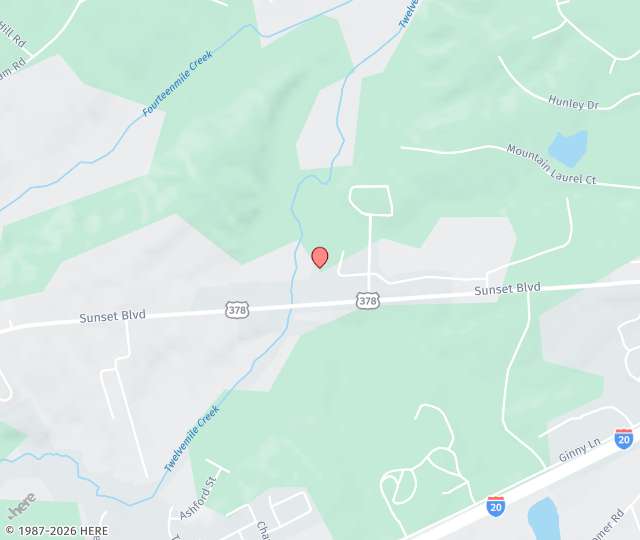
For expert vein care in Lexington, SC, contact Espinoza Vein Institute at (803) 626-9075. Our compassionate team is here to support your circulation and overall well-being near Columbia, SC.